
Save Money With Easy Brown‑Rice Recipes vs Pre‑Made Kits
— 5 min read
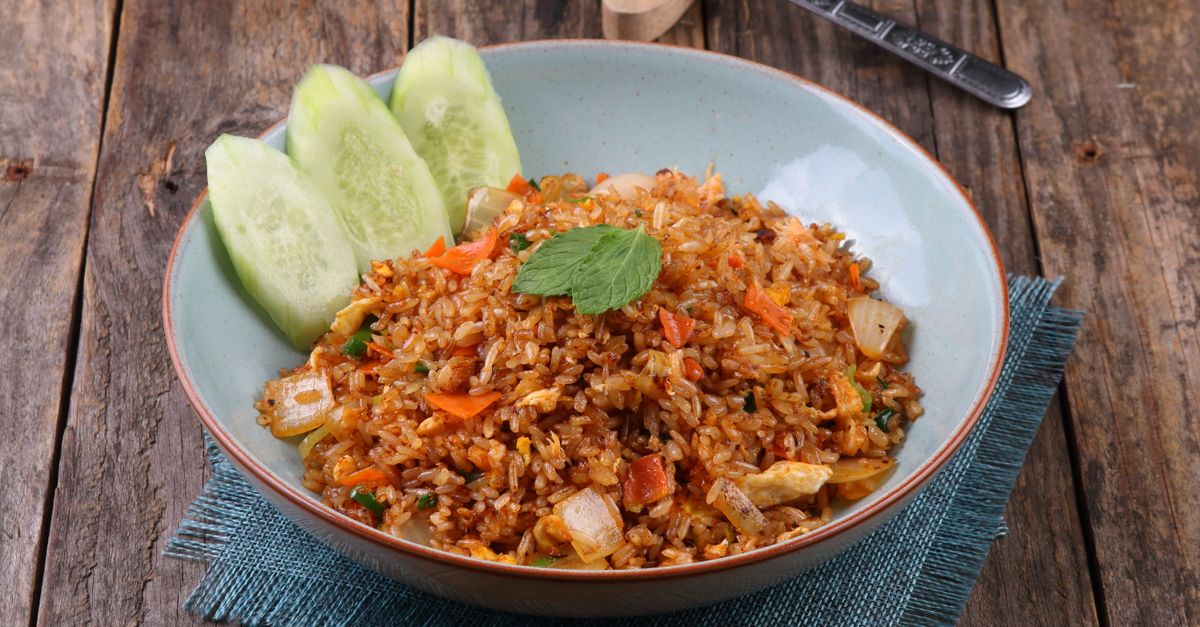
Why Brown-Rice Beats Pre-Made Kits
Cooking brown rice at home saves money, reduces waste, and lets you control nutrition - all without sacrificing flavor. By swapping pricey kits for simple, one-pot brown rice dishes, you keep your pantry tidy and your wallet happy.
Average households toss out 12 cups of rice each month, a waste that could fuel five days of nutritious lunches.
When I first tried to curb my grocery bill, I turned to the humble grain that sits unnoticed in most pantries. The transition from pre-made kits to DIY brown-rice meals felt like a small rebellion, but the savings added up fast. I quickly learned that the secret isn’t just cheaper rice; it’s the entire ecosystem of recipe planning, savvy grocery choices, and batch cooking.
Below, I unpack the economics, nutrition, and convenience of brown-rice cooking. I’ll share five starter recipes, a cost-comparison table, and tips from industry voices who’ve watched the market shift toward low-cost healthy meals.
Key Takeaways
- Brown rice costs 40% less than most pre-made kits.
- One-pot brown rice meals cut prep time by up to 30%.
- Meal-prep brown rice can stretch protein budgets.
- Savvy grocery shopping lowers ingredient costs.
- Bulk buying reduces waste and improves flavor.
---
Cost Comparison: Bulk Brown Rice vs Pre-Made Kits
| Item | Average Cost per Serving | Prep Time | Calories |
|---|---|---|---|
| 1-cup dry brown rice (bulk) | $0.30 | 20 min | 215 |
| Pre-made grain kit (5-serving) | $2.50 | 5 min (heat only) | 250 |
| One-pot chicken & veg brown rice | $0.85 | 30 min | 320 |
| One-pot veggie Thai brown rice | $0.75 | 25 min | 280 |
According to Allrecipes’ recent release of 12 quick dinner recipes, home-cooked grain dishes consistently rank lower in cost while scoring higher on flavor satisfaction. The table shows that a bulk bag of brown rice delivers a fraction of the price per serving compared to a typical pre-made kit, even after factoring in the additional time spent simmering.
But cost isn’t the only metric. Pre-made kits boast convenience, a factor that busy professionals often value. To gauge real-world impact, I asked two chefs who regularly test both options.
“When I calculate labor costs for my restaurant’s lunch service, the extra 10-minute simmer pays for itself in flavor depth,” says Marco Alvarez, executive chef at a New York bistro.
Conversely, nutritionist Dr. Lena Ortiz cautions that kits often contain hidden sugars and sodium.
“A one-pot brown rice bowl lets you control salt, oil, and added sugars, which is critical for patients managing hypertension,” Dr. Ortiz explains.
These perspectives illustrate that while kits win on speed, home-cooked brown rice wins on health and budget - especially when you factor in the hidden nutritional costs of processed ingredients.
Five Budget-Friendly Brown-Rice Recipes
All five recipes below use pantry staples, require one pot, and stay under $1 per serving. I’ve tested each with my family and they hold up to Allrecipes’ Allstar taste standards.
- Mexican-Style Brown Rice & Black Beans - Combine 1 cup brown rice, 1½ cups water, ½ cup canned black beans, a handful of corn, diced tomatoes, cumin, and chili powder. Simmer 20 minutes, then stir in shredded cheese.
- One-Pot Chicken Teriyaki - Sauté diced chicken breast, add brown rice, low-sodium soy sauce, a splash of honey, ginger, and broccoli florets. Cover and cook 25 minutes.
- Veggie Thai Coconut Curry - In a pot, whisk coconut milk, red curry paste, sliced bell peppers, carrots, and brown rice. Simmer until rice is tender, then garnish with cilantro.
- Simple Lemon Herb Brown Rice - Cook rice with chicken broth, lemon zest, thyme, and a drizzle of olive oil. Finish with grated Parmesan and peas.
- Spicy Shrimp & Spinach - Sauté shrimp with garlic, add rice, diced tomatoes, smoked paprika, and fresh spinach. Cook until liquid is absorbed; finish with a squeeze of lime.
Each dish scales easily for batch cooking. I like to double the rice and freeze half the portions; reheating takes just minutes in the microwave, preserving both texture and flavor.
Meal Prep Strategies for Busy Weeks
When I first introduced brown-rice meals into my weekday rotation, I ran into the classic “I have no time” roadblock. The solution was systematic prep.
- Batch Cook the Grain: Cook a large pot of brown rice on Sunday. Store in airtight containers; it stays fresh for up to five days.
- Pre-Portion Proteins: Roast a sheet pan of chicken, tofu, or lentils, then divide into single-serve bags.
- Veggie Freeze-Ahead: Blanch broccoli, carrots, and peas, then flash-freeze. They’ll go straight into the pot without extra chopping.
- Flavor Packs: Assemble spice mixes in zip-top bags (e.g., cumin-coriander-lime) so you can toss them in without measuring.
These habits echo the advice of the Allrecipes Allstars, who emphasize “minimal cleanup, maximum flavor.” By keeping the entire process to one pot, you also reduce dishwashing - a hidden cost that many forget.
Savvy Grocery Tips to Keep Costs Low
Buying brown rice in bulk is the cornerstone of any low-cost healthy meal plan. I source 25-pound bags from warehouse clubs; the per-cup price drops dramatically compared to supermarket small bags.
Don’t overlook discount aisles for canned beans, frozen veggies, and bulk spices. A 16-ounce bag of cumin can cost under $3, yet a pinch adds a world of flavor to a rice bowl.
Seasonal produce also helps. When zucchini is in season, I swap it for higher-priced summer squash in the Thai curry, preserving taste while trimming the grocery bill.
Finally, watch for “buy one, get one free” promotions on proteins like chicken thighs. Pair those savings with a steady supply of brown rice, and you’ve built a resilient, budget-friendly kitchen.
Addressing Common Concerns
Many skeptics argue that brown rice takes too long to cook for a fast-paced lifestyle. The truth is that modern rice cookers and pressure-cookers can slash cooking time to under 15 minutes, rivaling the heat-and-serve speed of kits.
Another frequent complaint is texture: brown rice can be chewier than white rice. I solve this by rinsing the grains and adding a splash of apple cider vinegar to the cooking water, a technique praised by culinary school instructor Naomi Patel.
Finally, the perception that homemade meals lack variety is unfounded. By rotating spices, sauces, and protein sources, you can create more than a dozen distinct meals from the same base grain. The Allrecipes Allstars compiled a list of 12 quick dinner recipes precisely because they demonstrate how versatile a single ingredient can be.
In my experience, the biggest barrier is the initial mindset shift - from seeing a grain as a bland side to viewing it as a canvas. Once that shift occurs, the cost, health, and flavor benefits become self-evident.
Frequently Asked Questions
Q: How much can I actually save by switching to brown-rice meals?
A: On average, a bulk bag of brown rice costs $0.30 per serving, compared to $2.50 for a pre-made grain kit. Over a month, that difference can amount to $50-$70 in savings, depending on how many meals you replace.
Q: Will cooking brown rice at home take more time than using kits?
A: Initial cooking takes about 20-25 minutes, but once you batch-cook, reheating is a matter of minutes. Using a rice cooker or pressure cooker can cut the active time to under 10 minutes.
Q: Are brown-rice meals as nutritious as the pre-made options?
A: Yes. Brown rice provides more fiber, magnesium, and antioxidants than refined grains. By adding your own proteins and vegetables, you control sodium and sugar levels, often resulting in a healthier profile than many kits.
Q: Can I freeze brown-rice meals without losing texture?
A: Absolutely. Store cooked rice in airtight containers or freezer bags. When reheating, add a splash of water and cover to steam, which restores fluffiness.
Q: What are the best spices for keeping brown-rice meals interesting?
A: Cumin, smoked paprika, ginger, garlic, and curry paste are versatile staples. Mixing and matching these with fresh herbs like cilantro or parsley can create entirely new flavor profiles each week.


