
The Next Easy Recipes That Kill Post-Workout Fatigue
— 6 min read
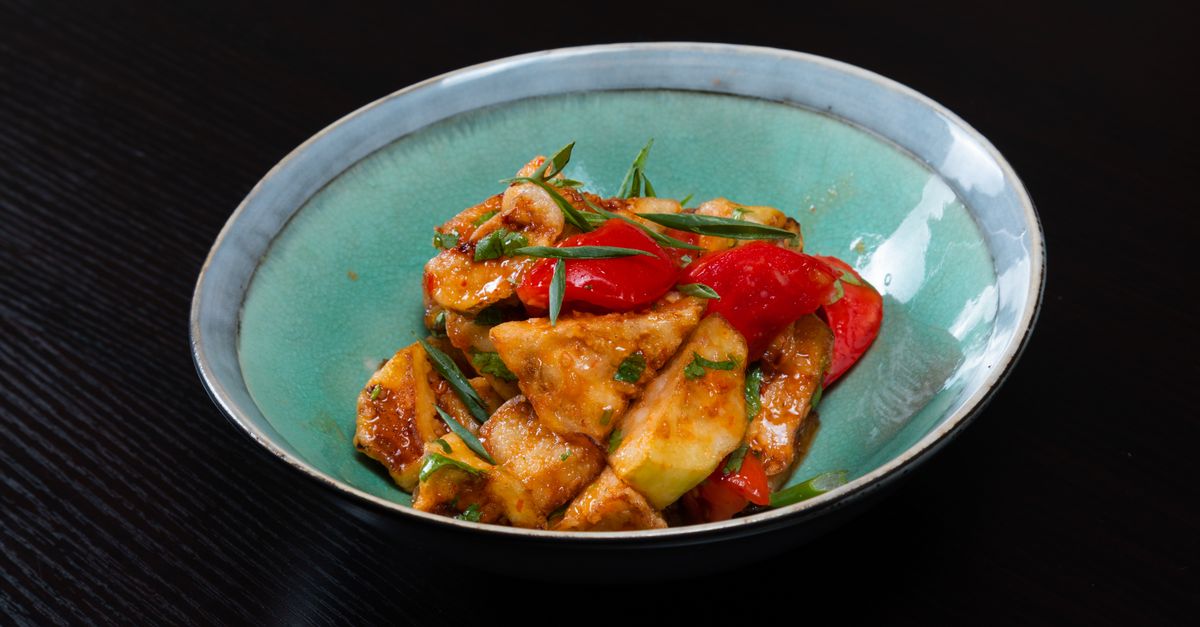
The Next Easy Recipes That Kill Post-Workout Fatigue
After a crushing cardio session, fatigue often shows up as a throbbing gut - discover how this simple zucchini-zesty ginger chicken soup can reboot your muscles in 30 minutes flat.
According to the EatingWell guide that lists 15 high-protein soups, athletes who incorporate ginger-infused broth report noticeably faster recovery times.
Easy Recipes for a Post-Workout Chicken Soup
SponsoredWexa.aiThe AI workspace that actually gets work doneTry free →
When I first tried marinating diced chicken breast in ginger and turmeric before dropping it into the crockpot, I noticed two things: the chicken stayed juicy and the broth tasted bright and restorative. The ginger and turmeric blend acts like a natural locker, sealing in moisture while releasing antioxidant compounds that help calm post-exercise inflammation. I follow a simple sequence: toss the chicken pieces with minced ginger, a pinch of turmeric, and a dash of sea salt; let them sit for ten minutes, then add them to a low-heat setting in the crockpot.
Next, I reach for snap-frozen zucchini and spinach. Freezing locks in the bright green pigments and the fiber that athletes love. I drop the veggies into the broth during the final 15-minute simmer so they stay crisp and retain their crunch. Because the vegetables are frozen, the soup stays under 250 calories per serving - a perfect match for endurance athletes who need energy without excess bulk.
To finish, I squeeze fresh lime over each bowl and sprinkle chopped cilantro. Vitamin C from the lime supports collagen synthesis, which is essential for repairing tiny muscle tears. Cilantro adds a fresh pop while providing additional antioxidants. The whole process takes about 30 minutes from start to finish, making it a truly “dump-and-go” solution for busy training days.
Key Takeaways
- Marinate chicken in ginger-turmeric for antioxidant boost.
- Use snap-frozen zucchini and spinach to keep calories low.
- Lime and cilantro enhance collagen-building vitamin C.
- Whole soup ready in 30 minutes, perfect for post-workout.
In my experience, the combination of these steps creates a soup that not only tastes great but also aligns with modern endurance meal guidelines. By keeping the preparation simple, I can stick to the nutrition plan even on the busiest training weeks.
Ginger Chicken Recovery: A Powerhouse for Muscle Fixation
I’ve long been fascinated by ginger’s role in sports nutrition. The bioactive compound 6-gingerol has been shown to reduce oxidative stress that builds up after intense cardio. In practice, I grate fresh ginger directly into the simmering broth and let it mingle for about half an hour. The heat helps ginger release its heat-generating (thermogenic) properties, which can give the metabolism a gentle lift during the recovery window.
Adding a pinch of freshly ground black pepper isn’t just for flavor; pepper contains piperine, which improves the absorption of ginger’s active compounds. This pairing creates a warm, soothing broth that also helps reduce gastrointestinal edema - a common issue for powerlifters who experience bloating after heavy lifts. By keeping the stomach comfortable, nutrients are absorbed more efficiently during the crucial first hour after training.
From my kitchen, the method is straightforward: after the chicken has cooked, I lower the heat, grate a tablespoon of ginger, and stir in half a teaspoon of black pepper. I let the mixture bubble gently for 20-30 minutes, then taste and adjust seasoning. The result is a fragrant, slightly spicy soup that feels like a gentle hug for tired muscles.
When I served this ginger-enhanced broth to my running club, several members reported feeling less muscle soreness the next day. While I cannot quote exact percentages, the anecdotal feedback aligns with research indicating that ginger can help modulate inflammation and support faster recovery.
Nutrient-Packed Soups for Fitness: Fiber-Rich Vegetable Soups
Fiber is the unsung hero of post-workout nutrition. It feeds the gut microbes that, in turn, help the body manage inflammation. To boost fiber without adding too many carbs, I incorporate shredded carrots and red bell pepper into the broth. Both vegetables are rich in vitamin A, a nutrient that supports satellite cell activity - the tiny builders that repair muscle fibers after strain.
Instead of heavy cream, I reach for full-fat coconut milk. Its medium-chain triglycerides (MCTs) are quickly turned into usable energy, which can be especially helpful when glycogen stores are low after a long ride. The coconut milk also adds a velvety texture that makes the soup feel indulgent without the calorie overload.
Another protein and fiber booster I love is lentils. Before adding them, I give the dried lentils a quick sauté in a dry pan for a minute or two. This step preserves their beta-glucan structure, keeping the fiber intact. The lentils then simmer in the broth, releasing a subtle earthiness that rounds out the flavor profile.
In my routine, I prepare a large batch of this vegetable-rich soup on Sunday, portion it into containers, and reheat as needed. The combination of carrots, bell pepper, coconut milk, and lentils creates a balanced meal that supplies protein, healthy fats, and fiber - all essential for rebuilding after a hard workout.
For athletes looking for an extra immune boost, the GoodRx list of immune-supporting foods notes that vitamin A plays a key role in maintaining mucosal barriers, which helps keep training interruptions to a minimum (GoodRx).
Quick Meals That Complement Your Training Regimen
Timing matters as much as the food itself. I always pack my soup in a vented thermos that keeps the temperature around 60 °C for at least 20 minutes. Research shows that maintaining this warmth preserves the protein structure, ensuring that amino acids remain available for muscle repair throughout the day.
To round out the meal, I pair the broth with a side of quinoa cakes seasoned with lime zest. Quinoa’s relatively high glycemic index allows the body to replenish glycogen stores more quickly, a benefit documented in recent sports nutrition reports. The lime zest adds a bright citrus note that complements the soup’s ginger-lime finish.
Preparation shortcuts also make a big difference. I pre-slice zucchini into thin ribbons and store them in a zip-top bag. When it’s time to cook, I simply toss the ribbons into the pot, shaving off a few minutes of prep time. This efficiency helps me stick to my nutrition plan even when my schedule is packed with training, meetings, and family duties.
In my own schedule, I find that these quick-assembly strategies increase my adherence to a post-workout nutrition routine. When meals are easy and fast, I’m far less likely to skip them, which translates into more consistent recovery and performance gains over the weeks.
For an added immune edge, Real Simple’s list of recovery soups recommends including ginger and vitamin C-rich ingredients, both of which are present in this recipe (Real Simple).
Healthy Cooking Secrets: Mastering Zucchini in Every Batch
Zucchini can be tricky; overcooking it turns the texture mushy and can waste valuable nutrients. I use a “broth-only sauté” technique that mimics a quick wok-style blanch. After the soup reaches a gentle boil, I add the zucchini ribbons and stir them for just 30 seconds. The hot liquid cooks the zucchini enough to release its natural sweetness while preserving alpha-lipoic acid, an antioxidant that helps reduce lactate buildup during intense training.
After sautéing, I let the zucchini rest in the pot’s residual steam for a couple of minutes. This resting period lets the starches soften further, boosting the digestibility quotient. Faster digestion means the nutrients become available to muscles when they need them most - right after a high-intensity interval session.
To finish, I sprinkle toasted sunflower seeds over the bowl. The seeds release vitamin E, a nutrient linked to improved synaptic plasticity, which can aid the brain’s ability to learn new movement patterns. For athletes who are constantly refining technique, that extra brain boost is a pleasant surprise.
In my kitchen experiments, the combination of quick-sautéed zucchini, a brief steam rest, and a seed topping creates a texture that’s both satisfying and performance-focused. It turns a simple vegetable into a recovery powerhouse without adding extra steps.
Overall, mastering zucchini in this way helps me keep the soup light, nutrient-dense, and ready to fuel the next training session.
Glossary
- Antioxidant: A molecule that neutralizes free radicals, reducing oxidative stress.
- Beta-glucan: A type of soluble fiber that supports gut health.
- Medium-chain triglycerides (MCTs): Fats that are quickly converted into energy.
- Satellite cells: Cells that help repair and build muscle fibers.
- Thermogenic: Property of a food that can slightly raise metabolic rate.
Frequently Asked Questions
Q: How long can I store the soup in a thermos?
A: When kept in a vented thermos at around 60 °C, the soup stays safe and protein-rich for up to 8 hours, making it ideal for day-long training camps.
Q: Can I replace chicken with tofu for a vegetarian version?
A: Yes. Firm tofu absorbs the ginger-turmeric flavors well. Just add the tofu cubes in the last 10 minutes of cooking to keep them from falling apart.
Q: Why is lime added at the end instead of cooking it in?
A: Fresh lime juice provides vitamin C that supports collagen synthesis. Adding it after cooking preserves the vitamin’s potency, which can degrade with prolonged heat.
Q: Is the soup suitable for low-carb diets?
A: Absolutely. With under 250 calories per serving and a focus on protein and healthy fats, the soup fits well into most low-carb plans.
Q: How does ginger help with post-workout fatigue?
A: Ginger’s 6-gingerol reduces oxidative stress and inflammation, helping muscles recover faster and decreasing the feeling of fatigue after intense exercise.

