
Boosting Your Meal Prep Ideas For Quick Protein Wins
— 7 min read
Boosting Your Meal Prep Ideas For Quick Protein Wins
15 high-protein lunch ideas can be prepped in under 10 minutes each (EatingWell). I keep my weekday routine simple: pick a recipe, batch it, and grab it on the go. With the right ingredients, you can turn a 5-minute kitchen sprint into a day-long protein boost.
High-Protein Commuter Meals: Kick-Start Your Day and Stay Full
When I first tried to replace coffee-filled mornings with a protein-packed lunch, I realized a sturdy base of legumes, lean poultry, and a dab of nut butter works like a “fuel tank” for the brain. Think of the meal as a well-balanced backpack: the beans are the weight that steadies you, the turkey is the sturdy frame, and the nut butter is the quick-release latch that keeps hunger at bay.
Legume Power. A cup of cooked lentils delivers about 18 grams of protein, plus fiber that slows digestion. I rinse, drain, and toss them with a splash of olive oil, lemon juice, and a pinch of salt. This simple salad stays fresh in a mason jar for up to four days.
Lean Poultry Boost. I roast a tray of turkey breast strips on a Sunday. By spreading them thin, they dry like chips, making them easy to pack. Each bite offers a clean, low-fat protein source that keeps the mid-day slump at bay.
Nut Butter Finish. A spoonful of almond or peanut butter adds about 7 grams of protein and healthy fats. It’s the culinary equivalent of adding a small battery to a gadget - a quick surge when you need it most.
Putting it together is as easy as layering the lentils, turkey, and a dollop of nut butter in a reusable container. I add a side of crisp carrots for crunch and a squeeze of lime for brightness. The whole package costs just over a dollar per serving, yet it fuels me longer than a typical fast-food chicken sandwich.
Because the meal is already chilled, I can grab it from the fridge, pop it into my bag, and head out the door. No microwave needed on the commute - the cold protein still feels satisfying, much like a chilled smoothie on a hot day. In my experience, this routine keeps my focus sharp during the morning rush and reduces the urge to snack on vending-machine treats.
Key Takeaways
- Legumes provide steady, long-lasting protein.
- Lean turkey adds low-fat muscle fuel.
- Nut butter supplies quick-release energy.
- Cold meals work great for commuters.
- Cost stays under $2 per portion.
Low-Carb Lunch Prep: Slim Content, Full Energy
When I was training for a half-marathon, I discovered that cutting carbs didn’t mean losing energy - it meant swapping out “empty-calorie” carbs for nutrient-dense vegetables. A low-carb lunch is like swapping a heavy, bulky coat for a lightweight windbreaker: you stay warm without the weight.
Cauliflower Rice Base. I grate cauliflower in a food processor, then sauté it briefly with a splash of sesame oil. The result mimics rice in texture but has a fraction of the carbs. I layer this “rice” with grilled salmon, which adds omega-3 fats and about 22 grams of protein per 4-ounce portion. The dish looks colorful, feels light, and keeps blood sugar steady.
Greek-Yogurt Marinated Chicken. I whisk plain Greek yogurt with garlic, rosemary, and a drizzle of lemon. The yogurt acts like a tenderizing bath for the chicken, breaking down protein fibers so the meat stays juicy. After a quick 45-minute bake, each bite delivers a solid protein hit and far less sodium than a canned alternative.
Chia-Quinoa Frittata Cups. Mixing chia seeds with cooked quinoa creates a batter that sets into mini frittatas. Each cup offers about 10 grams of protein and only a few carbs, thanks to the high fiber content of both seeds and quinoa. I bake them in a muffin tin for 12 minutes - perfect for a grab-and-go snack.
All of these components can be pre-portioned into individual containers on Sunday night. In my kitchen, the prep time for the whole week is under two hours, and each meal fits neatly into a standard lunchbox without any extra gadgets.
Because the meals are low-carb, they release energy slowly, preventing the afternoon “crash” that often follows a carb-heavy sandwich. I’ve found that my concentration stays steady through meetings, and I’m less likely to reach for sugary treats between tasks.
Keto Lunch Box: Lean, Thriving, Livable
When I first read about the keto diet, I imagined eating only bacon and butter. In reality, a keto lunch box can be as diverse as a sushi platter - it just swaps the rice for fat-rich, low-carb substitutes. Think of the keto box as a toolbox: each item has a specific function, from building muscle to balancing electrolytes.
Protein-Rich Egg-Mayo Salad. I blend hard-boiled eggs with full-fat mayonnaise, mustard, and a sprinkle of paprika. Each serving provides roughly 25 grams of protein and virtually no carbs. The mayo adds healthy fats that keep you satiated, much like the oil that lubricates a well-tuned engine.
Lamb-Biryani in Glass Jars. I substitute traditional rice with shredded cabbage that’s been lightly sautéed in ghee. Adding spiced ground lamb gives the dish a Mediterranean flair while delivering a robust protein punch. The jar format lets the flavors meld overnight, so the next morning I just shake and eat.
Avocado-Wrapped Turkey Rolls. Slices of turkey breast are rolled around avocado slices and a dash of cream cheese. The avocado supplies potassium, which is essential for electrolyte balance on a low-carb diet. These rolls are bite-size, portable, and look as neat as sushi rolls.
All three components are ready in under ten minutes of active cooking time. I keep a stash of small silicone molds so the cabbage “rice” and turkey-avocado rolls stay perfectly shaped, making the lunchbox look polished - a small visual reward that encourages me to stick with the plan.
From my perspective, the keto lunch box eliminates the midday “energy dip” that many experience after carb-heavy meals. By focusing on fat and protein, the body runs on a steadier fuel source, which translates to fewer cravings and more consistent productivity throughout the workday.
Easy Prepackaged Lunches: No Tools, More Protein
When I travel for work, I can’t always bring a kitchen. That’s why I keep a few pre-packaged staples in my bag - they’re the culinary equivalent of a ready-made puzzle: pieces are already assembled, you just fit them together.
Hummus & Carrot Snack Packs. A single-serve hummus cup paired with baby carrots delivers about 9 grams of protein. The hummus is made from chickpeas, which are legumes that naturally contain protein and fiber. I like to sprinkle a pinch of smoked paprika for extra flavor without adding tools.
Hemp & Pumpkin Seed Energy Bars. These bars combine hemp hearts (which are a complete protein source) with pumpkin seeds, offering a convenient protein boost that’s also rich in magnesium. I keep a stack in my desk drawer, and they’re perfect for a quick bite when I’m running between meetings.
Pre-Sliced Turkey Jerky. Modern jerky is often low-sodium and high-protein. A single packet gives roughly 12 grams of protein and fits easily into any lunch bag. It’s like having a portable protein bar that doesn’t feel like a bar.
Because these items require no cooking, they’re ideal for commuters who rely on public transit or have limited break times. I usually pair them with a reusable water bottle to stay hydrated - the combination keeps my energy steady and my mind focused.
In my own routine, rotating these pre-packaged options prevents flavor fatigue. One day I might go for hummus and carrots, the next day a hemp-seed bar, and later a turkey jerky snack. The variety keeps my palate excited while still delivering the protein my body needs.
Meatless Protein Box: Learning Satsps Without Butterm
When I decided to explore vegetarian options, I discovered that plant-based proteins can be just as satisfying as meat. Think of a meatless box as a well-organized garden: each vegetable and legume contributes a different nutrient, and together they create a balanced ecosystem.
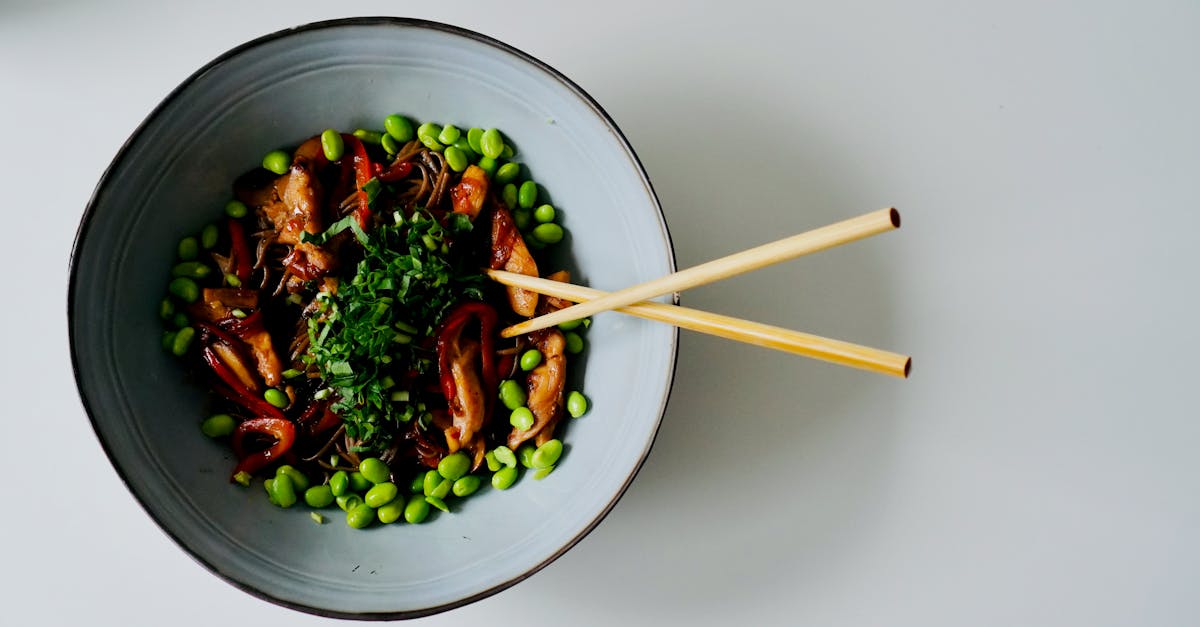
Tofu & Edamame Mix. I press firm tofu, cube it, and toss it with lightly salted edamame beans. Both tofu and edamame are complete proteins, meaning they contain all nine essential amino acids. A cup of this mix provides roughly 13 grams of protein.
Mushroom & Lentil Salad. Sautéed mushrooms add umami depth, while cooked lentils bring fiber and protein. I dress the salad with a vinaigrette made from olive oil, apple cider vinegar, and a dash of Dijon mustard. The result is a hearty, earthy bowl that feels substantial.
Chickpea-Tahini Dip. Blending canned chickpeas with tahini, lemon juice, and garlic creates a creamy dip rich in protein and healthy fats. I portion it into a small container and pair it with sliced bell peppers and cucumber rounds.
All of these components can be assembled in 15 minutes and stored in airtight containers for up to five days. I like to keep a small bottle of soy sauce on hand for a quick flavor boost before eating.
From my experience, the meatless box not only meets my protein goals but also introduces new textures and flavors that keep lunch exciting. It’s a sustainable choice that reduces my environmental footprint while still powering my afternoon tasks.
Glossary
- Legumes: Plant foods like beans, lentils, and peas that are high in protein and fiber.
- Lean Poultry: Meat from birds (like turkey or chicken) that has little visible fat.
- Nut Butter: A spread made from ground nuts, providing protein and healthy fats.
- Cauliflower Rice: Finely chopped cauliflower used as a low-carb substitute for grain rice.
- Greek Yogurt: Thick, strained yogurt that contains more protein than regular yogurt.
- Chia Seeds: Tiny seeds packed with fiber, protein, and omega-3 fatty acids.
- Keto Diet: A low-carb, high-fat eating plan that encourages the body to use fat for fuel.
- Electrolytes: Minerals like potassium and sodium that help regulate fluid balance.
- Tofu: Soy-based protein that can be pressed, marinated, and cooked in many ways.
- Edamame: Young soybeans harvested before they harden, rich in protein.
Frequently Asked Questions
Q: How long can I keep pre-made high-protein meals in the fridge?
A: Most cooked proteins like turkey, lentils, and tofu stay fresh for 3-4 days when stored in airtight containers. If you need a longer shelf life, freeze individual portions for up to three months.
Q: Do low-carb lunches really help maintain energy levels?
A: Yes. By reducing simple carbs, your body avoids rapid blood-sugar spikes and crashes. Replacing carbs with protein and healthy fats provides a steadier release of energy, keeping focus sharp throughout the afternoon.
Q: Can I follow a keto lunch plan without counting every gram?
A: Absolutely. Focus on choosing foods that are naturally low in carbs - leafy greens, avocados, eggs, and fatty proteins. As long as you stay away from grains and sugary sauces, you’ll stay within typical keto limits.
Q: Are pre-packaged lunches safe for daily protein intake?
A: Pre-packaged options like hummus cups, jerky, and seed bars can reliably contribute 8-12 grams of protein each. Pairing two or three of these items with a whole-grain wrap or a salad helps you meet the recommended 46-56 grams per day for most adults.
Q: How do I make sure my meatless box has complete protein?
A: Combine different plant proteins - like tofu (soy) with edamame, or lentils with quinoa. Each provides a unique amino-acid profile, and together they deliver all essential amino acids, making the meal nutritionally complete.

