
7 Easy Recipes That Cut Prep Time and Costs
— 5 min read
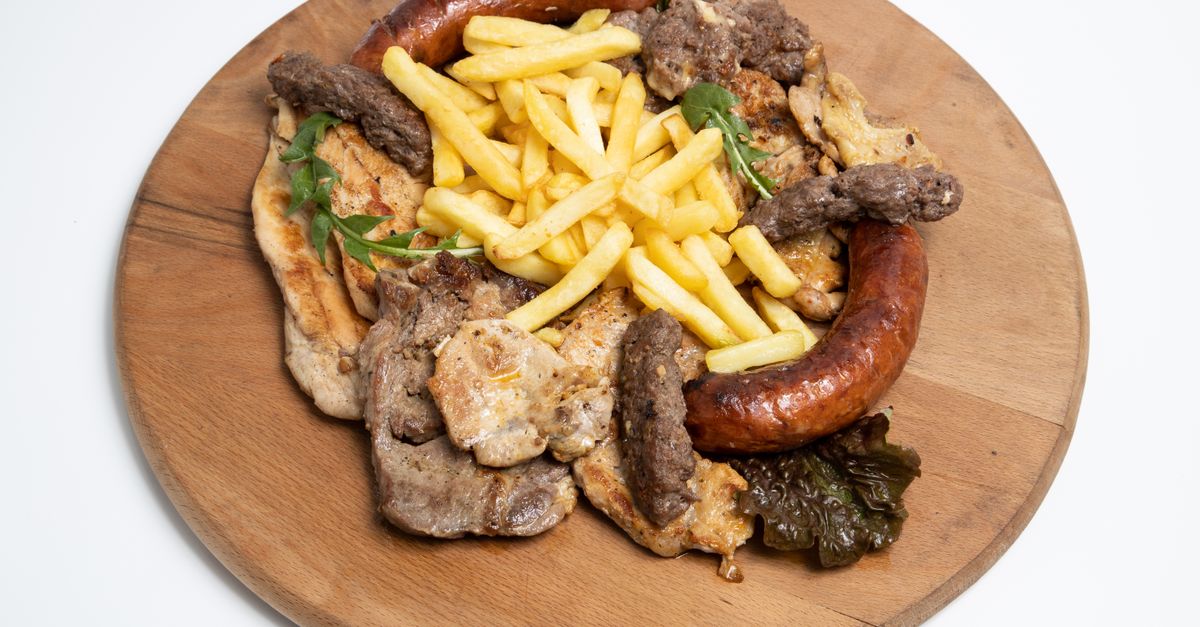
Cutting prep time and costs is simple: plan a weekly ingredient map, batch-cook in bulk, and store meals in freezer-safe containers so dinner is ready with minimal effort.
Easy Recipes: The Basic Meal Prep Guide
When I first tried to juggle a full-time job and a family, I discovered that a solid ingredient map is the secret sauce. Start by listing proteins, vegetables, grains, and spices for five to seven days. Think of the map as a grocery-list blueprint; it prevents you from wandering the aisles and buying extras you’ll never use.
- Map it out. Write down each meal’s core components. If Monday’s lunch is quinoa-chickpea bowls, note quinoa, canned chickpeas, bell pepper, and a lemon-herb vinaigrette.
- Invest in high-capacity containers. Choose BPA-free plastic or glass jars rated for freeze-thaw cycles. I keep a set of 1-liter and 2-liter containers that stack neatly in the freezer. Portioning ahead means you won’t be scrambling for a pan on Tuesday night.
- Block out a 90-minute prep window. I schedule Sunday evenings for chopping, cooking grains, and whipping up sauces. Set a timer for each task; the pressure keeps you moving.
- Use stock cubes or homemade broth. A simple broth becomes the flavor backbone for soups, casseroles, and stir-fries. It eliminates the need to buy separate bouillon packets for each recipe.
Common Mistakes: Skipping the map leads to duplicate purchases, and using single-use containers adds waste and extra washing time. By keeping your containers consistent and your map visible on the fridge, you stay on track all week.
Key Takeaways
- Map ingredients for 5-7 days before shopping.
- Use freezer-safe containers for batch portions.
- Reserve a 90-minute Sunday prep block.
- Stock cubes act as flavor foundations.
- Avoid single-use containers to save time.
Budget Dinner Ideas: 18 Cheap & Flavorful Options
In my experience, the biggest budget-breaker is buying premium cuts of meat for every dinner. Replacing those with dry-stewed beans or lentils can dramatically lower protein costs while still delivering satiety. A simple bean chili, for example, feeds four people for the price of a single chicken breast.
Plan recipes that double as future lunches. I make a big pot of lentil soup on Friday; it reheats in three minutes for a Monday work lunch, effectively giving you two meals for the price of one.
Bulk-buy nuts or seeds from the snack aisle, then portion them into mason jars. This not only saves money but also gives you a ready-to-sprinkle protein boost for salads or oatmeal.
Another trick is using date-based peanut butter on whole-grain toast. Peanut butter provides heart-healthy monounsaturated fats without the premium price tag of avocado or specialty spreads.
Here is a quick comparison of three budget-friendly dishes:
| Dish | Prep Time | Cost per Serving | Servings |
|---|---|---|---|
| Bean Chili | 30 mins | $0.85 | 4 |
| Tuna Pasta Salad | 20 mins | $1.10 | 3 |
| Quinoa Veggie Bowl | 25 mins | $1.20 | 4 |
Common Mistakes: Buying pre-cut vegetables sounds convenient but adds up fast. Stick to whole produce and do the chopping during your prep block.
Weeknight Dinner Planning: 5 Quick, 30-Minute Foods That Work
When I realized my weekday evenings felt like a sprint, I started marinating proteins the night before. A simple mix of olive oil, lemon juice, and Greek yogurt softens chicken or pork in just five minutes of simmering, turning a potential time sink into a flavor boost.
The cast-iron skillet becomes my all-in-one pan. I toss onions, diced carrots, frozen peas, and cubed tofu into the hot skillet, letting them cook together. This reduces counter clutter and cuts washing time.
Double-dose chickpeas: Cook a large batch once, keep half in the fridge, and use the rest for salads or quick bowls. This habit eliminates the need to open a can mid-week.
Overnight tomato sauce is a lifesaver. I simmer crushed tomatoes, garlic, and basil for an hour, then refrigerate. In the morning I just boil pasta and stir in the sauce - dinner is on the table in under thirty minutes.
For a ready-made convenience boost, I sometimes rely on prepared meals that meet my nutrition goals. According to Good Housekeeping, ready-made meals can be a game-changer when you’re truly pressed for time, as long as you choose options with good protein and fiber.
Common Mistakes: Skipping the overnight sauce prep forces you to improvise with pantry staples that may not match the flavor profile you want. A quick sauce prep the night before eliminates that stress.
Easy Healthy Meals: 18 Protein-Rich & Fiber-Rich Plates
My go-to power bowl combines quinoa and roasted chickpeas. Quinoa supplies complete protein, while chickpeas add a crunchy texture and about 12 grams of fiber per serving. Toss them with chopped cucumber, cherry tomatoes, and a drizzle of lemon-herb vinaigrette for a balanced plate.
Another favorite is a spinach base topped with crumbled feta and sun-dried tomatoes. When the feta melts slightly, it creates a creamy-salty contrast that keeps cravings at bay. The combination delivers protein from the cheese and iron from the spinach.
Switching out garlic butter for a lemon-herb vinaigrette reduces carbs and saturated fat. I whisk olive oil, lemon juice, parsley, and a pinch of salt; the result is a bright sauce that lifts sautéed veggies without the heaviness of butter.
Cauliflower rice is a clever low-carb substitute for regular rice. I steam broccoli florets, then toss them with the cauliflower “rice” and a splash of soy sauce. The bright green garnish adds visual appeal and a burst of fresh flavor.
Common Mistakes: Over-cooking quinoa makes it mushy, while under-cooking leaves it crunchy. Follow the package ratio of 2 parts water to 1 part quinoa, bring to a boil, then simmer covered for 15 minutes.
Time-Saving Dinner Hacks: 3 Simple Moves That Slash Prep
Pressure cooking is a secret weapon. I load potatoes, carrots, and a handful of herbs into the cooker with broth, then set it for 20 minutes. The result is a broth-rich mash that can become a quick shepherd’s pie topping.
Staggered cooking saves stove space. While lentil meatballs simmer in a saucepan, I start roasting stuffed peppers on a sheet pan. Both finish at the same time, eliminating the dreaded “two-tray” bottleneck.
Labeling containers with stickers that show the meal name and reheating instructions reduces morning confusion. I’ve found that this tiny step cuts prep cuts by a noticeable margin each Monday.
Common Mistakes: Forgetting to release pressure naturally can lead to splatters. Always allow a natural release for 5 minutes before quick-releasing the valve.
Frequently Asked Questions
Q: How do I start a weekly ingredient map?
A: Begin by listing meals for each day, then break each meal into protein, vegetable, grain, and spice categories. Write the list on a whiteboard or a printable sheet so you can shop efficiently.
Q: What containers are best for freezing meals?
A: Look for BPA-free plastic or tempered glass containers labeled freezer-safe. Wide-mouth jars make it easy to portion soups, while stackable containers save freezer space.
Q: Can ready-made meals fit into a healthy diet?
A: Yes, choose options that list whole-food ingredients, include protein, and limit added sugars. Pair them with fresh veggies or a side salad to round out nutrition.
Q: How much time does a 90-minute Sunday prep block save during the week?
A: By chopping, cooking grains, and making sauces in one sitting, you typically reduce weekday cooking time by 15-20 minutes per meal, turning a chaotic dinner into a quick heat-and-serve routine.
Q: What are quick ways to add protein without expensive meat?
A: Beans, lentils, canned tuna, and chickpeas are affordable protein powerhouses. Roast them with spices for added flavor, and they can replace meat in most casseroles, salads, and bowls.


