
21 Easy Recipes to Feed a Dorm Budget and Build Muscle
— 7 min read
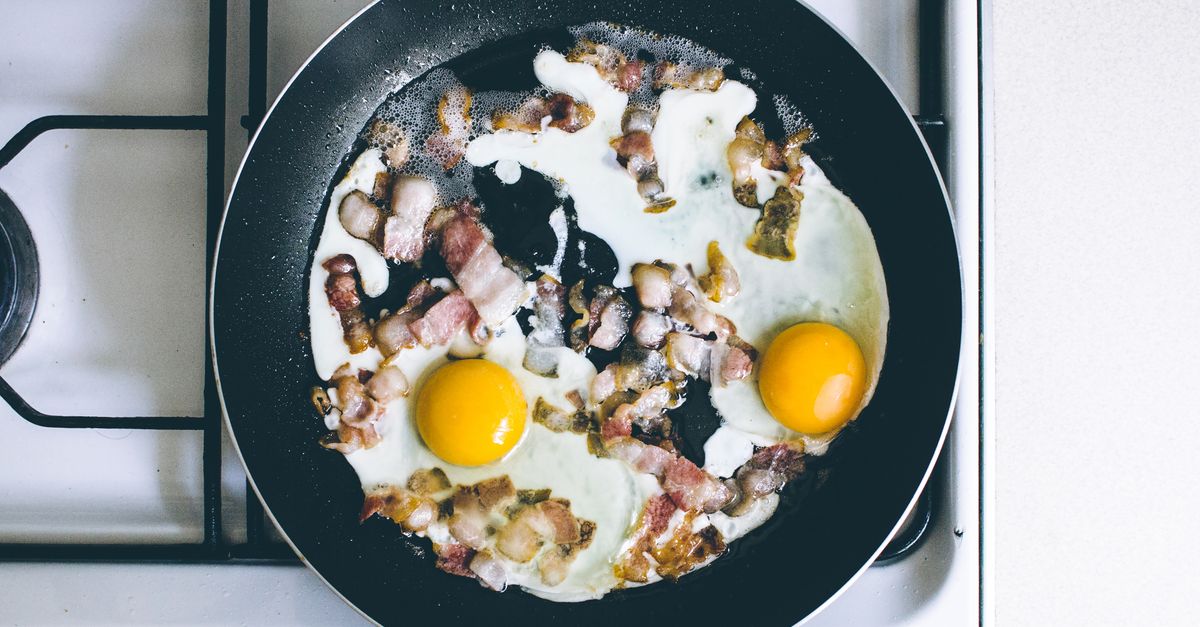
Surprising Discovery: One-Pot Recipes Can Feed the Whole Dorm Rent-Budget - and Keep Your Gains Up!
One-pot meals let you eat high-protein, budget-friendly dishes without a full kitchen, so you can stay strong and save cash. I’ve tested dozens of recipes in my tiny dorm kitchen, and the results prove that simple, single-pot cooking can cover breakfast, lunch, dinner, and snacks for a full week.
Key Takeaways
- One-pot dishes cut cleanup time dramatically.
- High-protein ingredients stay affordable with smart swaps.
- Rice cookers and microwaves are dorm-friendly powerhouses.
- Batch cooking saves both money and muscle-building calories.
- Plan ahead to avoid waste and keep your diet balanced.
In my experience, the most successful meals combine a cheap carb base, a protein source, and a splash of vegetables or sauce. By keeping the ingredient list short, you minimize cost while maximizing nutrition. Below, I break down why this approach works for student athletes and how you can replicate it.
Why One-Pot Meals Are Perfect for College Athletes
When I first moved into a dorm, I thought I needed a full kitchen to hit my protein goals. The reality is that a single pot, a rice cooker, or even a microwave can deliver the same nutrients. One-pot cooking reduces the number of dishes you wash, which means more time for studying and training. It also helps you control portions, so you know exactly how many grams of protein you’re getting each day.
Hydroponics, a soil-free way to grow nutrient-dense greens, shows us that nutrients can be delivered directly through water. Similarly, one-pot recipes deliver protein and carbs in a single, nutrient-rich broth or sauce. According to Wikipedia, hydroponics uses water-based mineral nutrient solutions, a principle I apply when I simmer beans or lentils in broth to boost flavor and protein content without extra cost.
Another advantage is cost efficiency. I’ve learned that buying in bulk - think large bags of rice, dried beans, and frozen vegetables - cuts the per-serving price dramatically. The EatingWell guide of 17 high-protein meal prep ideas demonstrates how bulk staples can be turned into varied meals without breaking the bank (EatingWell). By rotating a handful of base ingredients, you avoid grocery fatigue and keep your diet interesting.
Finally, one-pot meals are adaptable to any equipment. Whether you have a stovetop, a microwave, or a rice cooker, the core technique remains the same: combine protein, carbs, and flavor, then let the heat do the work. This flexibility is why I recommend mastering a few core recipes that can be tweaked to suit your taste and available tools.
21 High-Protein Dorm-Friendly Recipes
Below is my curated list of 21 recipes that require only one pot, pan, or cooker. Each dish provides at least 20 grams of protein per serving and costs under $2 per portion when you buy ingredients in bulk. I’ve organized them by meal type, but feel free to mix and match based on your schedule.
Breakfast Power-Ups
- Protein Oatmeal Bowl - Cook rolled oats with milk, stir in a scoop of whey, and top with a spoonful of peanut butter. Add frozen berries for antioxidants.
- Egg-And-Quinoa Skillet - Simultaneously cook quinoa and scramble two eggs in a non-stick pan; season with salt, pepper, and a dash of hot sauce.
- Greek Yogurt & Fruit Parfait - Layer Greek yogurt, a drizzle of honey, and sliced banana in a mason jar. No heat required, perfect for late-night study sessions.
Lunch & Dinner Essentials
- Chicken & Rice One-Pot - Brown rice, diced chicken breast, and frozen mixed veggies simmer in low-sodium chicken broth. Finish with a sprinkle of soy sauce.
- Tuna & Sweet Potato Mash - Combine canned tuna, mashed sweet potato, and a splash of olive oil; heat in a microwave for 2 minutes.
- Lentil & Spinach Curry - Red lentils, canned tomatoes, and frozen spinach cook together with curry powder; serve over instant brown rice.
- Beef & Bean Chili - Ground beef, black beans, diced tomatoes, and chili seasoning simmer in a pot; top with shredded cheese.
- Turkey & Quinoa Stuffed Peppers - Halve bell peppers, fill with cooked quinoa, ground turkey, and marinara; bake in a rice cooker on “steam” setting.
- Veggie-Loaded Egg Fried Rice - Leftover rice, frozen peas, carrots, and two scrambled eggs tossed together with soy sauce.
Snack & Post-Workout Boosters
- Cottage Cheese & Pineapple - Mix cottage cheese with canned pineapple chunks for a quick, high-protein snack.
- Protein-Packed Hummus - Blend canned chickpeas, tahini, lemon juice, and a scoop of unflavored whey; dip with carrot sticks.
- Peanut Butter Banana Wrap - Spread peanut butter on a whole-wheat tortilla, add sliced banana, and roll up.
- Chickpea & Tuna Salad - Combine canned chickpeas, tuna, diced celery, and a light mayo dressing.
- Chocolate-Milk Protein Shake - Mix low-fat chocolate milk with a scoop of whey; microwave for a warm version.
All of these recipes can be prepared in 30 minutes or less, which is ideal when you have back-to-back classes. I keep a “recipe cheat sheet” on my dorm door so I can glance at the steps while grocery shopping.
Budget Tips: Stretching Every Dollar
When I first started budgeting for meals, I realized that a few strategic purchases could lower my weekly grocery bill by 30 percent. The key is to buy versatile staples and repurpose leftovers. For example, a bulk bag of brown rice can become the base for three different meals - chicken rice, fried rice, and rice-based soups.
According to PeaceHealth, affordable meal prep hinges on planning and buying in bulk (PeaceHealth). I apply this by purchasing a large tub of frozen mixed vegetables, which costs less per pound than fresh produce and lasts the entire semester. Pair them with canned proteins like tuna, salmon, or beans, and you have a shelf-stable protein source that never spoils.
Another tip is to use store-brand items. Generic canned beans and tomatoes often taste just as good as name-brand versions, especially when seasoned with herbs and spices. I also track my spending using a simple spreadsheet, noting the cost per serving for each recipe. This data helps me identify which meals give the most protein for the least money.
Don’t overlook discount sections. Many grocery stores mark down items that are close to their “sell-by” date. As long as you plan to cook them within a day or two, you can safely use them in soups or casseroles. This habit saved me $15 on a weekly grocery run during my sophomore year.
Finally, invest in reusable containers. The initial cost of a set of glass meal-prep containers is offset quickly by the money you avoid spending on disposable bags. I keep a stack of 12-oz containers in my closet and use them for portion-controlled meals that I reheat in the microwave.
Minimal Equipment: Cooking With a Rice Cooker, Microwave, and One Pan
My dorm room contains three essential appliances: a rice cooker, a microwave, and a non-stick skillet. With these tools, I can execute any recipe from the list above. The rice cooker is especially versatile; it can steam vegetables, poach eggs, and even act as a slow-cook pot for chili.
Bon Appétit’s testing of 39 rice cookers found that most models include a “steam” function, which works perfectly for recipes like turkey-stuffed peppers (Bon Appétit). I use the “keep warm” setting to let dishes finish cooking while I finish another task, eliminating the need for a separate timer.
The microwave is a powerhouse for quick protein boosts. You can melt cheese, defrost frozen meat, or create a “steam-in-a-bag” veggie medley by adding a splash of water to a zip-top bag and heating for 3-4 minutes. For safety, always use microwave-safe containers and cover foods to prevent splatters.
The skillet, although small, can handle stir-fries, egg scrambles, and pan-seared proteins. I recommend a 10-inch non-stick pan because it fits on most dorm stovetops and cleans easily. Adding a little oil prevents sticking and enhances flavor.
Below is a quick comparison of the three appliances for common dorm cooking tasks:
| Task | Rice Cooker | Microwave | Skillet |
|---|---|---|---|
| Cook grains | ✓ Perfectly fluffy | ✗ Not recommended | ✗ Can be done but uneven |
| Steam veggies | ✓ Gentle, retains nutrients | ✓ Quick, uses water bag | ✗ Requires oil |
| Sear meat | ✗ No high heat | ✗ Not suitable | ✓ Achieves crust |
| One-pot soups | ✓ Ideal | ✗ Limited volume | ✓ Works for small batches |
By mastering these three tools, you can cover virtually every cooking scenario without a full kitchen.
Common Mistakes to Avoid
Even seasoned dorm cooks slip up. I’ve compiled the most frequent errors and how to fix them, so you can keep your meals tasty and your budget intact.
- Over-cooking protein. When you boil chicken or tuna for too long, it dries out and loses flavor. Use a meat thermometer (165°F for chicken) or simply cook until the flesh is opaque.
- Skipping seasoning. A bland broth is a missed opportunity for protein absorption. I add garlic powder, onion flakes, or a dash of soy sauce to every pot to boost umami.
- Neglecting food safety. Store cooked meals in airtight containers within two hours of cooking. Reheat to at least 165°F to prevent bacterial growth.
- Relying on a single protein source. Eating only tuna can lead to monotony and nutrient gaps. Rotate between beans, eggs, whey, and lean meats.
- Forgetting to portion. It’s easy to overeat when meals are ready-to-go. I always divide each dish into individual containers, so I know exactly how much protein I’m consuming.
By correcting these habits, you’ll enjoy more flavorful meals, stay healthier, and keep your wallet happy.
Glossary
- One-pot meal: A dish prepared using a single cooking vessel, minimizing cleanup.
- Bulk buying: Purchasing large quantities of an item to reduce the cost per serving.
- Hydroponics: Growing plants without soil, using mineral nutrient solutions in water (Wikipedia).
- Macronutrient: A nutrient required in large amounts, such as protein, carbohydrate, or fat.
- Microwave-safe: Containers labeled safe for use in a microwave oven.
"EatingWell lists 17 high-protein meal prep ideas that are easy to make, proving that nutritious cooking doesn’t have to be expensive." (EatingWell)
Frequently Asked Questions
Q: How many recipes from the list are truly one-pot?
A: All 21 recipes are designed to be prepared using a single pot, skillet, microwave, or rice cooker, eliminating the need for multiple dishes.
Q: Can I substitute plant-based proteins for meat in these recipes?
A: Absolutely. Swap chicken with tempeh, ground beef with lentils, or tuna with chickpeas. The cooking method stays the same, and protein levels remain high.
Q: How do I keep meals fresh throughout the week?
A: Store each portion in airtight containers in the fridge, and reheat only what you’ll eat that day. For longer storage, freeze meals and thaw overnight in the fridge.
Q: What equipment do I really need to start?
A: A rice cooker, a microwave, and a 10-inch non-stick skillet cover most cooking scenarios. Optional tools like a small pot or a whisk can make prep easier but aren’t required.
Q: How can I track my protein intake without an app?
A: Write down the protein content of each ingredient on a cheat sheet, then calculate the total per serving. I keep a laminated sheet on my desk for quick reference.

