
10 Easy Recipes vs Two-Pot Pasta - Parents' Quick Win
— 6 min read
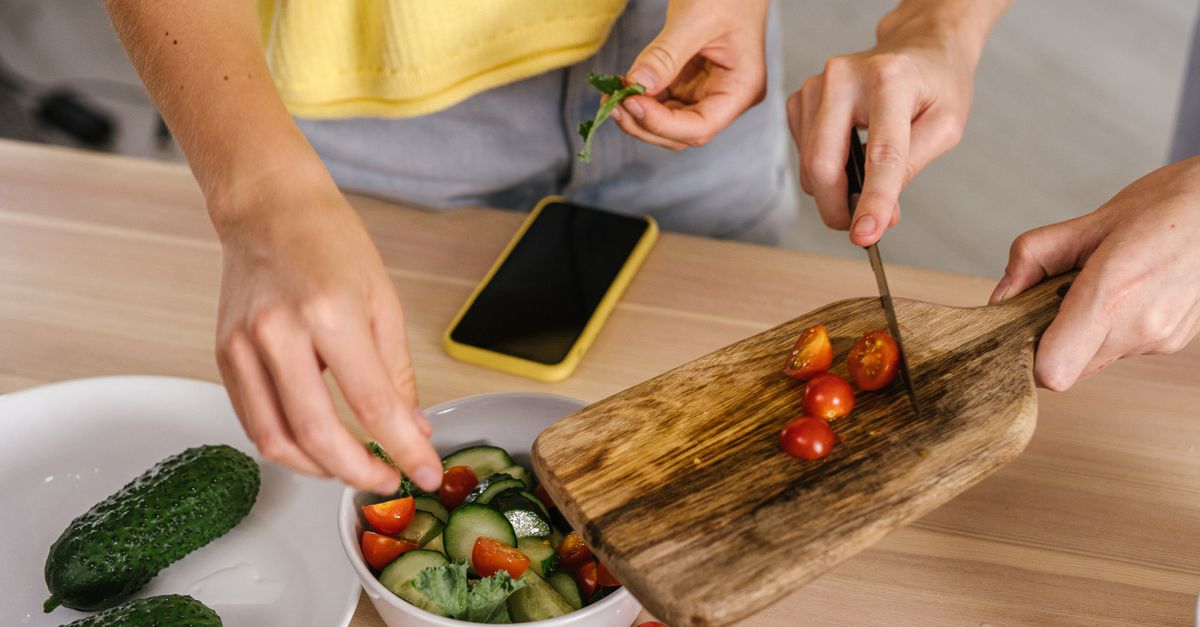
One-pot pasta lets parents serve a family dinner in under 20 minutes with minimal cleanup, while two-pot pasta often adds extra time and dishes. I’ll show you why the one-pot approach wins, share ten foolproof recipes, and compare when a second pot might be worth it.
Hook
Two minutes, one pot, and every child begging for seconds, here’s how to make dinner magic without the cleanup. In my kitchen, I’ve turned chaotic weeknights into smooth sailing by treating the pot like a miniature pantry and the pasta like a canvas.
Key Takeaways
- One-pot pasta saves time and dishes.
- Ten recipes cover meat, veggie, and dairy-free options.
- Two-pot works for sauces that need simmering.
- Budget swaps keep meals cheap and nutritious.
- Kids love the flavor and the quick turnaround.
Why One-Pot Beats Two-Pot for Busy Parents
When I first juggled homework, soccer practice, and a full-time job, I learned that every extra pot adds minutes and mess. One-pot pasta merges cooking, flavor development, and cleanup into a single step. The secret is layering ingredients so that starch, sauce, and seasonings meld as the pasta cooks.
According to The Kitchn, one-pot pasta dishes are a lifesaver for busy nights when you want something quick and easy without the hassle of multiple pots. By letting the pasta release its starch directly into the sauce, you create a naturally creamy texture without heavy cream or butter. This technique also reduces the need for a separate colander, which means one fewer dish to wash.
From a nutrition standpoint, cooking everything together helps vegetables retain more vitamins because they sit in the same hot water that the pasta uses. I’ve found that adding leafy greens in the last few minutes of cooking keeps them bright and crunchy, a trick I learned from the “20 Healthy One-Pot Pasta Recipes” roundup.
Time-wise, a typical one-pot meal hits the stovetop, stirs, and plates in about 20 minutes. Compare that to a two-pot version where you boil pasta, drain, then simmer sauce - often an extra 10 minutes of active cooking and an extra pot to scrub.
For families on a budget, buying a single pot of pasta, a can of tomatoes, and a few pantry staples costs less than buying specialty sauces or separate pasta shapes. The Everymom’s roundup of 55 Easy Crockpot Recipes notes that simplicity often translates to savings, and the same principle applies when you limit cookware.
10 Easy One-Pot Pasta Recipes
Below are my go-to recipes that have earned repeat orders from my kids. Each dish is designed for a family of four, cooks in 20 minutes or less, and uses just one pot.
- One-Pot Tomato Basil - Combine spaghetti, canned crushed tomatoes, fresh basil, garlic, and a splash of olive oil. Stir until the pasta is al dente and the sauce thickens.
- Cheesy Spinach Penne - Add frozen spinach, shredded mozzarella, and a pinch of red pepper flakes to penne and broth. Finish with a handful of Parmesan.
- Chicken Sausage Orzo - Slice pre-cooked chicken sausage, toss with orzo, chicken broth, and cherry tomatoes. Simmer until the orzo swells.
- Veggie-Loaded Fusilli - Mix diced carrots, zucchini, and bell peppers with fusilli and vegetable stock. Stir in a dollop of ricotta for creaminess.
- Quick Tuna Alfredo - Use canned tuna, milk, and flour to create a light Alfredo directly in the pot. Toss with linguine and peas.
- Spicy Shrimp Garlic - Sauté shrimp, garlic, and chili flakes, then add spaghetti and seafood broth. Finish with lemon zest.
- Broccoli Cheddar Mac - Add broccoli florets, elbow macaroni, and low-fat cheddar cheese. A splash of milk makes it extra smooth.
- Mexican Taco Pasta - Combine ground turkey, taco seasoning, black beans, corn, and rotini. Top with avocado slices.
- Butter Mushroom Farfalle - Sauté mushrooms in butter, add farfalle and mushroom broth, then finish with thyme.
- Breakfast Breakfast - Mix broken breakfast sausage, diced potatoes, and egg-free pasta. Crack an egg into the pot at the end for a fluffy finish.
Each recipe uses pantry staples, so you can swap proteins or veggies based on what’s on sale. For example, replace chicken sausage with sliced tofu for a vegetarian version without altering the cooking time.
When I prep these meals, I set a timer for 10 minutes, add the pasta and liquid, and then give a quick stir every few minutes. The result is a sauce that clings to every noodle, making the dish feel restaurant quality even on a weekday.
Two-Pot Pasta: When It’s Worth the Extra Pot
There are moments when a second pot enhances flavor or texture. A classic example is a rich Bolognese sauce that needs a long, low simmer. In that case, boiling the pasta separately preserves the sauce’s depth while preventing the noodles from overcooking.
Below is a simple comparison table that outlines the key differences.
| Aspect | One-Pot Pasta | Two-Pot Pasta |
|---|---|---|
| Cooking Time | ~20 minutes total | ~30 minutes (boil + simmer) |
| Cleanup | One pot + ladle | Two pots + colander |
| Flavor Depth | Good for quick sauces | Better for slow-simmered sauces |
| Nutrient Retention | Vegetables stay in broth | Potential loss if pasta water is discarded |
| Best For | Busy weeknights, picky eaters | Special occasions, gourmet sauces |
When I’m preparing a hearty meat sauce for a family gathering, I use a separate pot for the sauce so I can let it simmer for 45 minutes while the pasta cooks in a second pot. The result is a richer flavor that my kids love, and the extra effort feels worth it for a celebration.
However, for everyday meals, the one-pot method beats the two-pot approach in speed, cleanup, and cost. The extra pot should be reserved for dishes that truly benefit from a long simmer, such as a slow-cooked marinara, a creamy carbonara that requires tempering, or a seafood broth that needs a brief boil before adding delicate fish.
Practical Tips to Keep Cleanup Minimal
Even the simplest one-pot meals can become a mess if you’re not organized. Here are habits I’ve adopted to keep the kitchen tidy:
- Use a large, deep pot - It prevents overflow when the pasta expands.
- Measure liquid first - Adding broth before the pasta helps you see the exact amount needed.
- Pre-measure ingredients - Having everything in a bowl reduces trips to the pantry.
- Deglaze with broth - After sautéing aromatics, add a splash of broth to lift brown bits; they become flavor, not mess.
- Cool the pot while you eat - Turn the burner off, cover with a lid, and let the residual heat finish cooking. This eliminates the need for constant stirring.
I also keep a silicone spatula handy; it scrapes the bottom without scratching the pot, and it doubles as a serving spoon. When the meal is done, I rinse the pot with warm water, add a drop of dish soap, and let it soak for five minutes. The starch coating usually comes right off.
Another trick is to use a colander that fits inside the pot. Place the colander, pour in the pasta, and let the excess water drain back into the pot where the sauce is waiting. This saves a separate bowl and a second dish.
Budget-Friendly Swaps for Pasta Night
Feeding a family doesn’t have to break the bank. By choosing affordable ingredients, you can keep each meal under $5.
Here are some swaps I use:
- Canned tomatoes vs. fresh - A 28-oz can costs less than a handful of fresh tomatoes and provides the same bright flavor.
- Bulk dried pasta - Buying a 5-lb bag reduces the cost per serving dramatically.
- Frozen vegetables - They are often cheaper than fresh, retain nutrients, and cut prep time.
- Store-brand cheese - A block of store-brand cheddar works just as well as a premium brand for sauce.
- Legume-based protein - Canned beans or lentils add protein for pennies, perfect for vegetarian versions.
When I shop the sales at my local grocery, I stock up on these staples. Then I can assemble a quick pasta night without a trip to the store. The Everymom article on 55 Easy Crockpot Recipes highlights that planning ahead is the secret to a smooth weekly rotation, and the same principle applies to one-pot pasta.
Finally, don’t overlook the power of herbs and spices. A pinch of dried oregano or a drizzle of chili oil can transform a plain bowl into a flavor adventure without adding cost.
By mixing and matching these budget-friendly components, you can keep the dinner table exciting, nutritious, and affordable - all while keeping the pot count low.
Frequently Asked Questions
Q: How long does a typical one-pot pasta take to cook?
A: Most one-pot pasta recipes finish in about 20 minutes, including the time it takes for the pasta to absorb liquid and for the sauce to thicken. This makes it perfect for busy weeknights.
Q: Can I make a dairy-free version of these recipes?
A: Absolutely. Swap cheese with nutritional yeast, use olive oil instead of butter, and choose plant-based milks for creamy sauces. The starch from the pasta still creates a velvety texture.
Q: When should I choose a two-pot pasta over one-pot?
A: Use two pots when you need a long-simmered sauce, such as a Bolognese or a slow-cooked marinara, or when you want to keep pasta al dente while the sauce reduces separately for deeper flavor.
Q: How can I keep pasta from sticking together in the pot?
A: Stir the pasta frequently during the first few minutes, add enough liquid to cover it, and finish with a splash of olive oil. The starch released helps bind the sauce, preventing clumps.
Q: Are one-pot pasta meals healthy for kids?
A: Yes. Because the vegetables cook in the same liquid as the pasta, they retain more vitamins, and the dish can be balanced with protein, fiber, and a modest amount of healthy fats.


